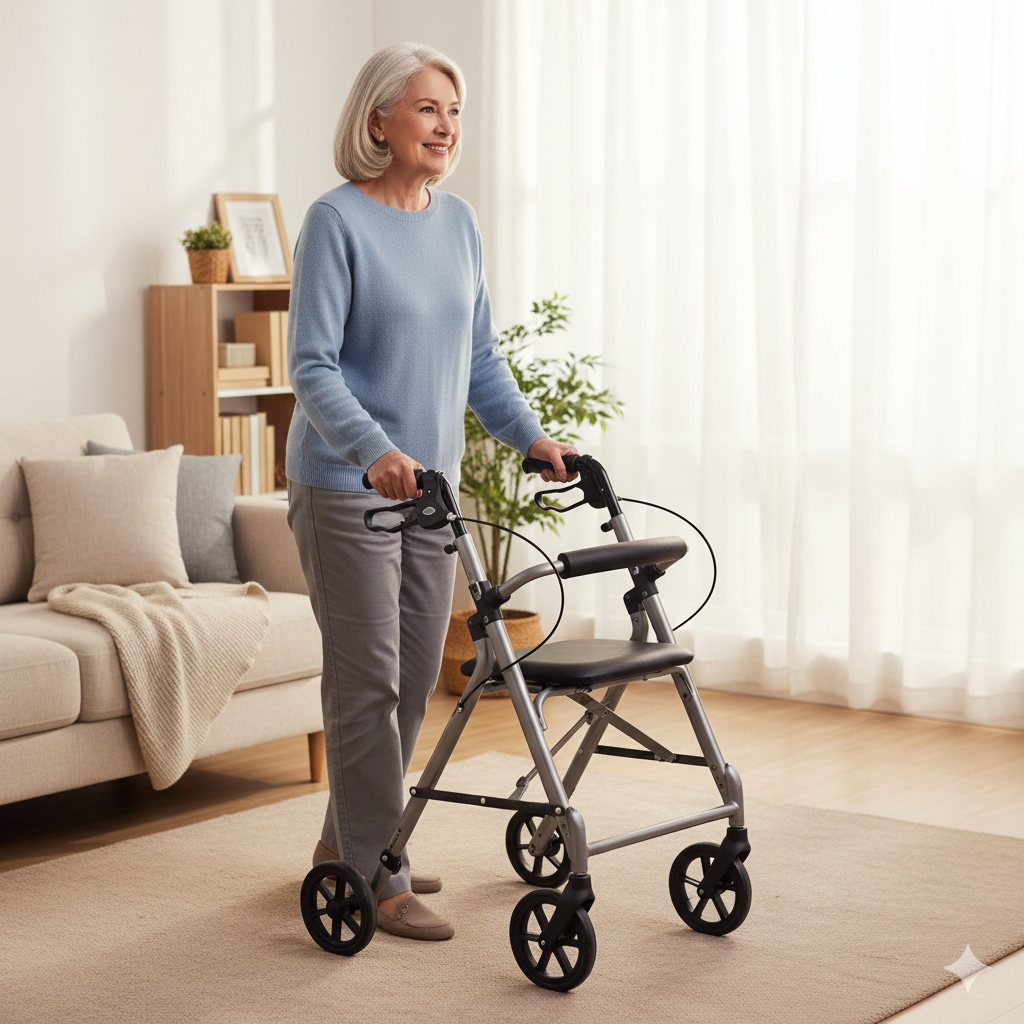
Maintaining mobility at home is essential for independence, confidence, and overall quality of life. For many people recovering from surgery, managing chronic conditions, or experiencing age-related balance changes, a walker can provide the stability needed to move safely through daily routines. Understanding how to choose the right walker—and when a walker rental makes sense—can help reduce fall risk and make home life more comfortable and secure.
This guide explains the key factors to consider when selecting a walker, the different options available, and how to match the right design to your specific needs.
Why Walkers Play a Key Role in Home Safety
Falls are one of the most common causes of injury among older adults and individuals with limited mobility. Even minor instability can lead to hesitation, reduced activity, and loss of independence. A properly fitted walker offers consistent support, helping users feel steady when walking, standing, or turning.
Choosing the right walker is not only about balance. Comfort, adjustability, and ease of use all affect whether the device truly supports daily life. Many people find that a walker rental is a practical solution, especially for short-term recovery or when needs may change over time.
Understanding Different Types of Walkers
Walkers come in several designs, each suited to different mobility levels and home environments. Exploring available walker options helps narrow down what will work best in real-world use.
A broad range of walkers designed for various support needs can be found within this medical walker rental category, which includes standard, folding, and rolling models suitable for home care.
Standard Walkers for Maximum Stability
Standard walkers are ideal for individuals who need strong, consistent support. They are often recommended during early recovery stages or for people with significant balance concerns. These walkers require the user to lift and move them forward, which can provide excellent stability but may require more upper-body strength.
Rolling Walkers for Easier Movement
Rolling walkers, sometimes called rollators, feature wheels that allow for smoother movement without lifting the frame. This design is helpful for longer indoor distances and for users who benefit from a more fluid walking motion.
For example, a lightweight aluminum rolling walker with wheels offers stability while remaining easy to maneuver through hallways and living spaces. Lightweight construction reduces fatigue and makes daily use more manageable.
Key Factors to Consider When Choosing a Walker
Selecting the best walker for seniors or individuals with mobility challenges involves more than picking a style. These factors play an important role in safety and comfort.
Adjustability and Proper Fit
An adjustable walker for mobility support ensures the handles are positioned at the correct height. Proper fit reduces strain on the wrists, shoulders, and back, making the walker safer and more comfortable for extended use. Adjustable handle heights are especially important when multiple people may use the same device or when mobility needs evolve during recovery.
Weight and Ease of Handling
A lightweight walker for home use is often easier to manage, especially in smaller spaces. Lightweight frames are simpler to lift, fold, and store, which is helpful for users with limited strength or caregivers assisting with setup.
A compact folding walker with adjustable handle heights is a good example of a design that balances support with convenience, making it easier to transport or store when not in use.
Home Layout and Daily Activities
Consider where the walker will be used most often. Narrow hallways, door thresholds, and carpeted floors may influence whether a standard or rolling walker is more practical. Thinking about daily routines—such as moving between rooms, using the bathroom, or preparing meals—helps determine which features will provide the most benefit.
When a Walker Rental Makes Sense
A walker rental can be an ideal choice for temporary or changing mobility needs. Many people require a walker only during post-surgery recovery, injury rehabilitation, or short-term balance issues. Renting allows access to high-quality equipment without the long-term commitment of ownership.
Rental options also make it easier to switch models if needs change. Someone may start with a standard walker and later transition to a rolling walker as strength and confidence improve. This flexibility supports safer recovery and better outcomes at home.
Supporting Independence and Confidence
The right walker does more than prevent falls—it supports independence. When users feel secure moving around their home, they are more likely to stay active, maintain routines, and engage socially. This has positive effects on both physical and emotional well-being.
Caregivers and family members also benefit from knowing their loved one has reliable support. A well-chosen walker reduces worry and helps create a safer living environment for everyone involved.
Conclusion
Choosing the right walker for improved mobility and safety at home is a thoughtful process that balances stability, comfort, and daily practicality. By understanding different walker types, focusing on proper fit and weight, and considering how the device will be used, individuals can make informed decisions that support long-term independence.
For many households, a walker rental offers a flexible and cost-effective way to access dependable mobility support without unnecessary commitment. With the right equipment in place, moving confidently at home becomes safer, easier, and more empowering.